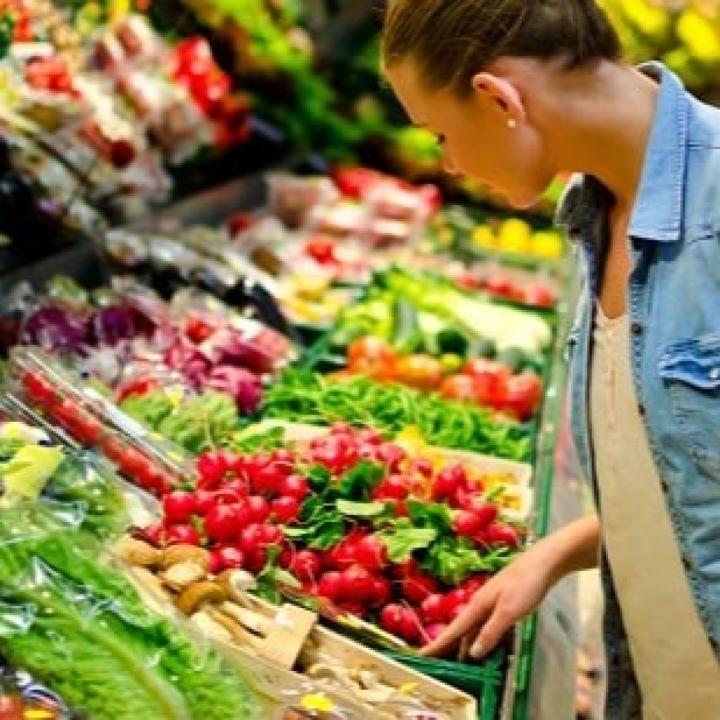
Discover how to choose fresh fruits and vegetables with smart, easy tips. Pick the best produce, avoid spoiled items, and enjoy healthier meals with confident shopping.
how to choose fresh fruits and vegetables
Why Choosing Fresh Produce Matters
When we buy fruits or vegetables, we need to consider whether they contain nutrients such as vitamins, minerals, fats, etc. Old or stale produce has fewer nutrients, which prevents the body from receiving complete nutrition.
Choosing fresh produce improves taste and freshness. Eating fresh fruits and vegetables strengthens immunity and improves digestion.
Choosing fresh produce also has an impact on health and does not negatively affect the body.
The quality of food is better. Fresh items make meals feel good and healthy. They increase the body’s energy and also improve everyday eating habits. makes it better
Fresh Tropical Fruits
Choosing fresh fruits and vegetables is naturally sweet and flavorful. Fresh tropical fruits like mango, pineapple, papaya oil, and coconut are known for their natural sweetness and flavor. Tropical fruits contain vitamin C, vitamin A, folate, and antioxidants.
These strengthen the body, boosting immunity, glowing skin, and aiding digestion.
Tropical fruits and vegetables hydrate and refresh the body. Choosing tropical fresh fruits and vegetables also aids weight management. More seasonal fruits tend to be lower in calories and higher in fibers.
Local tropical fruits and vegetables reach you faster and can be as fresh as possible because it’s what you buy regularly but the imported ones look fresh and good. It doesn’t mean it can lose the nutrients and freshness during long distance transportation.
Tropical fruits spoil quickly in heat. You can save it by buying it in less amount and enjoy it in the freshest without wasting it.
Common Mistakes to Avoid
Always use seasonal fruits and vegetables because it’s much fresher than the non seasonal because when the food travels a long distance it loses freshness and becomes less nutritious and low in proteins etc.
Don’t choose grocery because of its colour. It does not always mean freshness. Some fruits are shiny because of the wax and some vegetables look green but old inside.
if the fresh fruit or vegetables like pineapple, mango melon, onion, garlic, beets, carrots etc smell naturally fragrant if it doesn’t smell or it’s fermented, the fruit or vegetables are either unripe or overripe.
A common mistake is choosing lightweight produce. Fresh fruits and vegetables feel heavier because they contain more water and nutrients. Lightweight ones are often older or dehydrated.
Buy small quantities
Don’t buy in bulk pick only enough fruits and vegetables for 3-4 days this will keep them fresher and helps to reduce the spoiled items
Fresher stock means you shop freqeuntly small quantities makes your grocery fresh produce daily stores restock daily so we can purchase the small regularly items.
Even though buying in bulk looks cheaper, it can have the wastage of food and it increases the costs but buying in small quantities prevents waste of food and saves money.
With small frequent shopping you can switch to seasonal items quickly. This ensures your items are fresher, cheaper and tastier in fruits and vegetables or anything else.
When you purchase items in small quantities which make you stick with your list and avoid buying unnecessary items and it’s Keep your budget under control
Learning how to choose fresh fruits and vegetables helps you bring home healthier, tastier, and longer-lasting produce. By checking the color, texture, smell, weight, and overall appearance, you can quickly identify the freshest options. Choosing seasonal and local items, and avoiding bruised or damaged pieces, ensures better quality and value for money